Seungho Jang 장승호
B. 1987
우리 안의 우리
나는 가끔 우리가 동물 우리 안의 그것들처럼, 가축처럼, 서로를 견디며 살아가고 있다고 생각했다.
수업 시간, 칠판에 또박또박 쓰인 글씨들을 받아 적고, 암기하고, 아무 생각과 감정 없이 곱씹으며 되뇌는 연습을 했다. 우리는 그것으로 경쟁했고, 그것으로 돈을 벌었고, 그것으로 평가받았다. 감정과 생각은 늘 작은 기준들 앞에서 일희일비했다. 그때나 지금이나, 아무것도 크게 달라지지 않았다.
작가로서, 그리고 이 사회에 사는 한 인간으로서 내가 가장 자주 마주하는 감각은 고립감이다. 사회 아닌 사회, 우리 아닌 우리 속에 갇힌 채 모두가 각자도생하는 상태. 공동체는 갈등과 혐오로 물들어가고, 예술에 대해 말하는 일이나 세상의 정의에 대해 질문하는 일조차 점점 거추장스러운 것으로 여겨진다.
흰색의 차가운 공간 안에 빽빽하게 들어선 아파트의 닭장 같은 구조, 작품도 상품도 아닌 듯한 개성 없는 흔적들, 자본의 부속품이 된 채 서로를 소비하고 기록하는 사람들. 그 안에서 서로에 대한 성찰과 비판의 문화는 점점 희미해진다. 비정상이 일상이 되어가는 시대에, 예술가로서, 한 인간으로서 존재한다는 것은 무엇을 의미하는가.
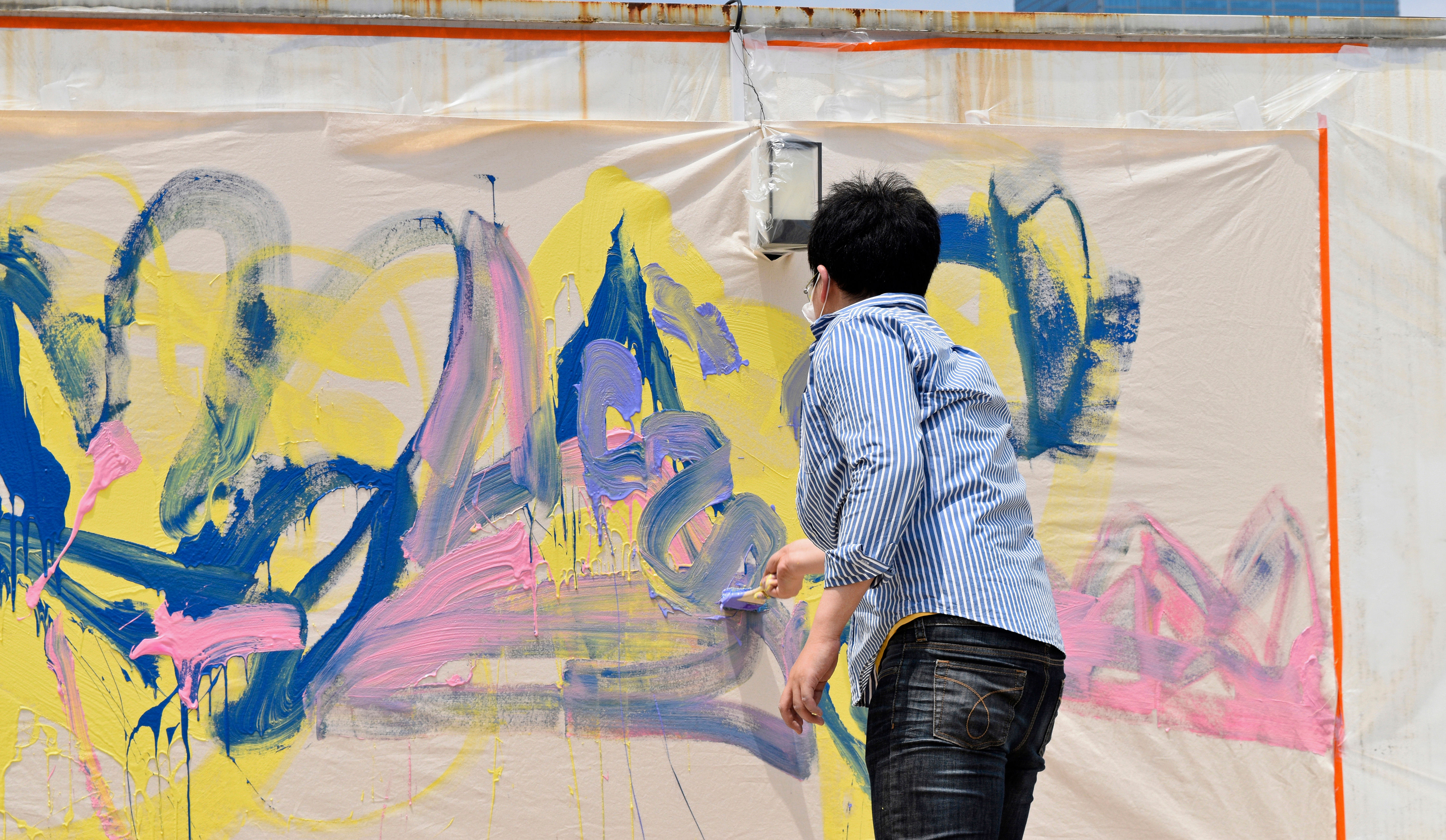
나에게 회화는 재현의 도구가 아니라, 존재가 세계를 통과하며 남기는 감각과 시간의 흔적이다. 작업은 완성된 형상이나 정해진 목적을 전제로 하지 않는다. 반복되는 행위와 적층, 흘러내림과 응축의 과정을 통해 화면이 스스로 형성되도록 두며, 그 안에서 자연과 실존, 감각과 시간의 관계를 탐구한다.
흘러내리는 물감, 응축과 해체가 반복되는 흔적, 형태 이전의 유동하는 에너지는 풍경의 재현이 아니라 존재가 외부 질서와 마주하며 통과한 시간의 기록으로 작동한다. 그 안에는 길들여진다는 것, 그리고 존재가 구조 안에서 어떻게 살아남고 계속 움직이는지에 대한 실존의 흔적이 남는다.
나에게 자연은 대상이 아니라 존재 방식이며, 회화는 목적을 달성하기 위한 수단이 아니라 존재의 과정을 감각하기 위한 실천이다. 작업은 결과물이 아니라 삶이며, 화면은 다시 태어나고 존재하기 위한 장소가 된다.
욕망은 홀로 존재하지 않는다. 하나의 욕망은 다른 욕망과 연결되고, 서로 뒤섞이며, 흐르는 강물처럼 하나의 덩어리가 된다. 개인의 감정과 선택도 공기처럼 세계와 연결되어 있고, 그것들은 살아남기 위한 반복 속에서 자연스럽게 쌓여간다. 그렇게 쌓인 것들이 사회가 되고, 어느 순간 ‘정상’과 ‘정의’라는 이름으로 굳어진다.
그래서 나는 계속 묻는다. 한국 사회에는 근대가 만든 경쟁과 효율, 정상성과 질서의 구조가 강하게 남아 있다. 그러나 그것은 더 이상 균형이나 공동의 감각으로 작동하기보다, 통념과 고루함 속의 통제, 양극화와 차별의 형태로 굳어지고 있는 것은 아닐까. 제도와 질서, 효율과 정상성은 남아 있지만, 그것을 넘어 새로운 감각과 공동의 형식을 만들려는 힘은 점점 희미해지고 있다.
나는 이 상태를 모더니즘 없는 모더니티처럼 느낀다. 근대가 만든 구조는 여전히 우리를 규정하지만, 그 구조를 다시 질문하고 다른 삶의 형식으로 바꾸려는 상상력은 사라져가고 있다. 자본에 종속된 무한경쟁 사회 안에서, 우리 없는 우리 안에서, 예술가로 산다는 것은 어떤 의미가 있는가. 갈등과 배제가 일상이 된 시대에도 새로운 공동감각을 상상하는 일이 가능한가. 동물우리처럼 굳어진 이 사회 안에서, 다시 다른 형태의 ‘우리’를 구성하는 일은 가능한가.
The Us Within the Cage
At times, I have thought that we live like those inside an animal cage, like livestock, enduring one another.
In the classroom, I practiced copying down the neatly written words on the blackboard, memorizing them, chewing them over and repeating them without thought or emotion. We competed through them, earned money through them, and were evaluated through them. Our emotions and thoughts have always fluctuated before small standards. From then until now, not much has truly changed.
As an artist, and as a human being living in this society, the feeling I encounter most often is isolation. A society that is not quite a society, an “us” that is not quite an us, where everyone is trapped and forced into individual survival. Community is increasingly stained by conflict and hatred, and even speaking about art or questioning the justice of the world seems to be treated as something burdensome and unnecessary.
In cold white spaces, apartment structures stand densely packed like cages. Traces that seem neither artworks nor commodities fill the walls without distinction. People, reduced to parts of capital, consume and record one another. Within such spaces, a culture of reflection and criticism toward one another grows increasingly faint. In an age where the abnormal becomes everyday life, what does it mean to exist as an artist, and as a human being?
For me, painting is not a tool of representation, but a trace of sensation and time left by existence as it passes through the world. My work does not begin with a completed form or a predetermined purpose. Through repeated actions, layering, dripping, and condensation, I allow the surface to form itself, exploring within it the relationship between nature and existence, sensation and time.
The dripping paint, the repeated traces of condensation and dissolution, and the fluid energy that precedes form do not function as representations of landscape. They operate as records of time passed through by an existence confronting an external order. Within them remain the traces of being conditioned, and of how existence survives and continues to move within structure.
For me, nature is not an object, but a mode of existence. Painting is not a means to achieve a purpose, but a practice for sensing the process of existence. The work is not a result, but life itself; the surface becomes a place for being reborn and for continuing to exist.
Desire does not exist alone. One desire connects with another, mixes with it, and becomes a mass, like the energy of a flowing river. Even individual emotions and choices are connected to the world like air, accumulating naturally through the repetitions of survival. What accumulates in this way becomes society, and at some point hardens under the names of “normality” and “justice.”
And so I continue to ask. In Korean society, the structures of competition, efficiency, normality, and order produced by modernity remain strongly in place. Yet rather than operating as balance or as a shared sense of community, are they not hardening into control within convention and stagnation, into polarization and discrimination? Institutions, order, efficiency, and normality remain, but the power to move beyond them and create new senses and shared forms seems to be fading.
I feel this condition as modernity without modernism. The structures produced by modernity still define us, yet the imagination to question those structures and transform them into other forms of life is disappearing. What does it mean to live as an artist in a society of infinite competition subordinated to capital, within an “us” without us? In an age where conflict and exclusion have become everyday life, is it still possible to imagine a new shared sensibility? Within this society hardened like an animal cage, is it possible to form another kind of “us” again?
CONTACT
T. 010 2245 4069
jangseungho_art@naver.com
Seungho Jang 장승호
B. 1987
우리 안의 우리
나는 가끔 우리가 동물 우리 안의 그것들처럼, 가축처럼, 서로를 견디며 살아가고 있다고 생각했다.
수업 시간, 칠판에 또박또박 쓰인 글씨들을 받아 적고, 암기하고, 아무 생각과 감정 없이 곱씹으며 되뇌는 연습을 했다. 우리는 그것으로 경쟁했고, 그것으로 돈을 벌었고, 그것으로 평가받았다. 감정과 생각은 늘 작은 기준들 앞에서 일희일비했다. 그때나 지금이나, 아무것도 크게 달라지지 않았다.
작가로서, 그리고 이 사회에 사는 한 인간으로서 내가 가장 자주 마주하는 감각은 고립감이다. 사회 아닌 사회, 우리 아닌 우리 속에 갇힌 채 모두가 각자도생하는 상태. 공동체는 갈등과 혐오로 물들어가고, 예술에 대해 말하는 일이나 세상의 정의에 대해 질문하는 일조차 점점 거추장스러운 것으로 여겨진다.
흰색의 차가운 공간 안에 빽빽하게 들어선 아파트의 닭장 같은 구조, 작품도 상품도 아닌 듯한 개성 없는 흔적들, 자본의 부속품이 된 채 서로를 소비하고 기록하는 사람들. 그 안에서 서로에 대한 성찰과 비판의 문화는 점점 희미해진다. 비정상이 일상이 되어가는 시대에, 예술가로서, 한 인간으로서 존재한다는 것은 무엇을 의미하는가.
나에게 회화는 재현의 도구가 아니라, 존재가 세계를 통과하며 남기는 감각과 시간의 흔적이다. 작업은 완성된 형상이나 정해진 목적을 전제로 하지 않는다. 반복되는 행위와 적층, 흘러내림과 응축의 과정을 통해 화면이 스스로 형성되도록 두며, 그 안에서 자연과 실존, 감각과 시간의 관계를 탐구한다.
흘러내리는 물감, 응축과 해체가 반복되는 흔적, 형태 이전의 유동하는 에너지는 풍경의 재현이 아니라 존재가 외부 질서와 마주하며 통과한 시간의 기록으로 작동한다. 그 안에는 길들여진다는 것, 그리고 존재가 구조 안에서 어떻게 살아남고 계속 움직이는지에 대한 실존의 흔적이 남는다.
나에게 자연은 대상이 아니라 존재 방식이며, 회화는 목적을 달성하기 위한 수단이 아니라 존재의 과정을 감각하기 위한 실천이다. 작업은 결과물이 아니라 삶이며, 화면은 다시 태어나고 존재하기 위한 장소가 된다.
욕망은 홀로 존재하지 않는다. 하나의 욕망은 다른 욕망과 연결되고, 서로 뒤섞이며, 흐르는 강물처럼 하나의 덩어리가 된다. 개인의 감정과 선택도 공기처럼 세계와 연결되어 있고, 그것들은 살아남기 위한 반복 속에서 자연스럽게 쌓여간다. 그렇게 쌓인 것들이 사회가 되고, 어느 순간 ‘정상’과 ‘정의’라는 이름으로 굳어진다.
그래서 나는 계속 묻는다. 한국 사회에는 근대가 만든 경쟁과 효율, 정상성과 질서의 구조가 강하게 남아 있다. 그러나 그것은 더 이상 균형이나 공동의 감각으로 작동하기보다, 통념과 고루함 속의 통제, 양극화와 차별의 형태로 굳어지고 있는 것은 아닐까. 제도와 질서, 효율과 정상성은 남아 있지만, 그것을 넘어 새로운 감각과 공동의 형식을 만들려는 힘은 점점 희미해지고 있다.
나는 이 상태를 모더니즘 없는 모더니티처럼 느낀다. 근대가 만든 구조는 여전히 우리를 규정하지만, 그 구조를 다시 질문하고 다른 삶의 형식으로 바꾸려는 상상력은 사라져가고 있다. 자본에 종속된 무한경쟁 사회 안에서, 우리 없는 우리 안에서, 예술가로 산다는 것은 어떤 의미가 있는가. 갈등과 배제가 일상이 된 시대에도 새로운 공동감각을 상상하는 일이 가능한가. 동물우리처럼 굳어진 이 사회 안에서, 다시 다른 형태의 ‘우리’를 구성하는 일은 가능한가.
The Us Within the Cage
At times, I have thought that we live like those inside an animal cage, like livestock, enduring one another.
In the classroom, I practiced copying down the neatly written words on the blackboard, memorizing them, chewing them over and repeating them without thought or emotion. We competed through them, earned money through them, and were evaluated through them. Our emotions and thoughts have always fluctuated before small standards. From then until now, not much has truly changed.
As an artist, and as a human being living in this society, the feeling I encounter most often is isolation. A society that is not quite a society, an “us” that is not quite an us, where everyone is trapped and forced into individual survival. Community is increasingly stained by conflict and hatred, and even speaking about art or questioning the justice of the world seems to be treated as something burdensome and unnecessary.
In cold white spaces, apartment structures stand densely packed like cages. Traces that seem neither artworks nor commodities fill the walls without distinction. People, reduced to parts of capital, consume and record one another. Within such spaces, a culture of reflection and criticism toward one another grows increasingly faint. In an age where the abnormal becomes everyday life, what does it mean to exist as an artist, and as a human being?
For me, painting is not a tool of representation, but a trace of sensation and time left by existence as it passes through the world. My work does not begin with a completed form or a predetermined purpose. Through repeated actions, layering, dripping, and condensation, I allow the surface to form itself, exploring within it the relationship between nature and existence, sensation and time.
The dripping paint, the repeated traces of condensation and dissolution, and the fluid energy that precedes form do not function as representations of landscape. They operate as records of time passed through by an existence confronting an external order. Within them remain the traces of being conditioned, and of how existence survives and continues to move within structure.
For me, nature is not an object, but a mode of existence. Painting is not a means to achieve a purpose, but a practice for sensing the process of existence. The work is not a result, but life itself; the surface becomes a place for being reborn and for continuing to exist.
Desire does not exist alone. One desire connects with another, mixes with it, and becomes a mass, like the energy of a flowing river. Even individual emotions and choices are connected to the world like air, accumulating naturally through the repetitions of survival. What accumulates in this way becomes society, and at some point hardens under the names of “normality” and “justice.”
And so I continue to ask. In Korean society, the structures of competition, efficiency, normality, and order produced by modernity remain strongly in place. Yet rather than operating as balance or as a shared sense of community, are they not hardening into control within convention and stagnation, into polarization and discrimination? Institutions, order, efficiency, and normality remain, but the power to move beyond them and create new senses and shared forms seems to be fading.
I feel this condition as modernity without modernism. The structures produced by modernity still define us, yet the imagination to question those structures and transform them into other forms of life is disappearing. What does it mean to live as an artist in a society of infinite competition subordinated to capital, within an “us” without us? In an age where conflict and exclusion have become everyday life, is it still possible to imagine a new shared sensibility? Within this society hardened like an animal cage, is it possible to form another kind of “us” again?